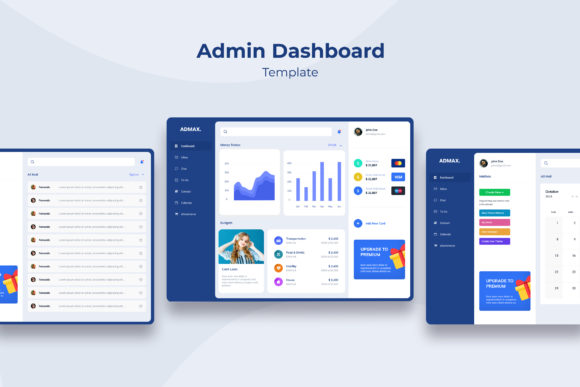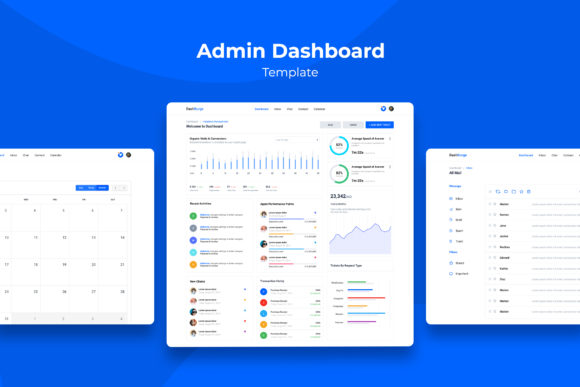
Admin Dashboard Ticket Agent Performance
Admin dashboard ticket agent performance is a critical component for managing customer support and service operations efficiently. Whether you're running a CRM, SAAS, or an e-commerce platform, having a well-designed admin dashboard that tracks ticket agent performance can significantly enhance productivity and customer satisfaction.
Key Features of Admin Dashboards
Modern admin dashboards come with a range of features designed to streamline the management of ticket agents. These include real-time analytics, performance metrics, and customizable views. By leveraging these tools, administrators can monitor how effectively their team is handling tickets and identify areas for improvement.
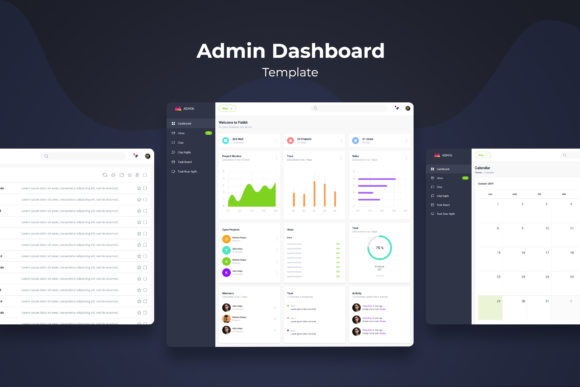
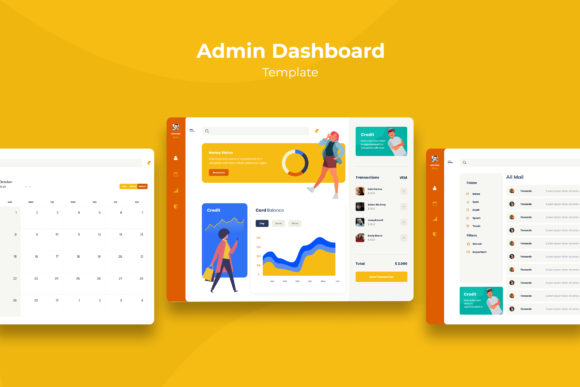
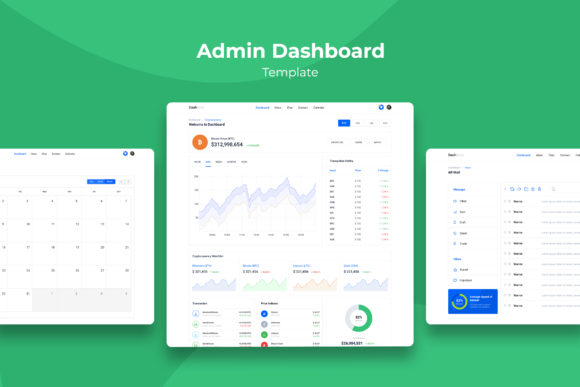
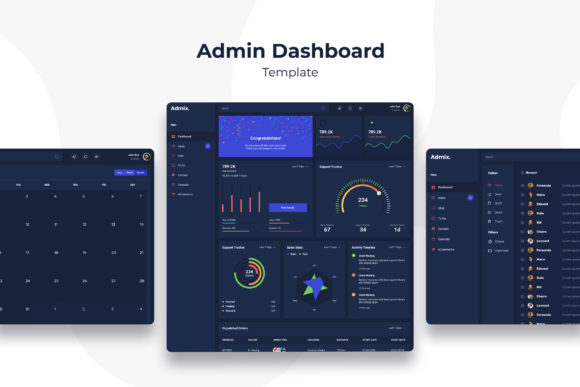
One of the most important aspects of an admin dashboard is its ability to display data in a clear and concise manner. This allows users to quickly understand the current state of their support team without sifting through irrelevant information. For instance, a dashboard might show the number of tickets resolved, average response time, and customer satisfaction ratings all in one place.
Customization and Flexibility
Admin dashboards are highly customizable, allowing businesses to tailor the interface to their specific needs. This flexibility is particularly beneficial for organizations with unique workflows or those operating in niche markets. By adjusting the dashboard layout, users can prioritize the most relevant metrics and ensure that their team has access to the information they need most.
Additionally, many admin dashboards support integration with other tools and platforms. This means that data from various sources can be consolidated into a single view, providing a comprehensive overview of ticket agent performance. For example, integrating with a CRM system can help track how ticket resolution affects customer relationships and overall satisfaction.
Importance of User-Friendly Design
A well-designed admin dashboard is essential for ensuring that users can navigate and interact with the system efficiently. The design should be intuitive, with clear labels and logical groupings of information. This not only improves user experience but also reduces the learning curve for new team members.
Moreover, a clean and organized layout contributes to a more professional appearance, which can enhance the overall perception of the business. When users can easily find the information they need, they are more likely to engage with the dashboard regularly, leading to better data utilization and decision-making.
Responsive and Retina-Ready Layouts
With the increasing use of mobile devices, it's crucial that admin dashboards are responsive and compatible with different screen sizes. A responsive design ensures that users can access the dashboard from any device without experiencing usability issues. This is especially important for teams that work remotely or on the go.
Retina-ready layouts further enhance the user experience by providing sharp and clear visuals on high-resolution displays. This attention to detail can make a significant difference in how users perceive the quality of the dashboard and the professionalism of the organization.
Utilizing Free Fonts and Vector Graphics
Many admin dashboards utilize free fonts from Google Fonts, which not only reduces costs but also ensures consistency across different platforms. Using a standardized font library helps maintain a cohesive look and feel throughout the dashboard, making it easier for users to read and interpret the information presented.
Vector graphics are another valuable asset in dashboard design. They allow for scalable and crisp visuals that maintain quality at any size. This is particularly useful for icons, charts, and other graphical elements that are essential for conveying data effectively.
Layered and Organized File Structure
Admin dashboards created using design tools like Adobe Photoshop, Adobe XD, and Sketch often feature a layered and organized file structure. This makes it easier for designers and developers to modify elements, adjust colors, and update assets without disrupting the overall design.
A well-organized file structure also facilitates collaboration among team members. When files are clearly labeled and structured, it becomes simpler to track changes, assign tasks, and ensure that everyone is working towards the same goals. This level of organization is especially beneficial for large projects with multiple stakeholders.
Practical Benefits of Admin Dashboard Ticket Agent Performance
Implementing an admin dashboard that tracks ticket agent performance offers numerous practical benefits. One of the most significant advantages is the ability to identify trends and patterns in agent performance. This data can be used to recognize top performers and provide targeted training to those who may need additional support.
Furthermore, monitoring ticket agent performance helps ensure that customer inquiries are addressed promptly and efficiently. By tracking key performance indicators such as response time, resolution rate, and customer feedback, administrators can make informed decisions about resource allocation and process improvements.
Enhancing Team Collaboration
An effective admin dashboard can also foster better collaboration among team members. When agents have access to real-time data, they can work together more efficiently to resolve issues and meet customer expectations. This transparency promotes accountability and encourages a culture of continuous improvement.
In addition, dashboards can be used to set goals and track progress towards them. This not only motivates agents to perform better but also provides a clear framework for evaluating success. By aligning individual performance with organizational objectives, businesses can drive greater efficiency and effectiveness in their support operations.
Choosing the Right Admin Dashboard
When selecting an admin dashboard for ticket agent performance, it's essential to consider the specific needs of your organization. Factors such as scalability, ease of use, and integration capabilities should all be taken into account. A dashboard that meets these criteria can provide long-term value and support the growth of your business.
Additionally, it's important to evaluate the support and documentation provided by the dashboard vendor. Comprehensive resources can help users get the most out of the tool and troubleshoot any issues that may arise. This level of support ensures that your team can focus on their core responsibilities without being hindered by technical challenges.