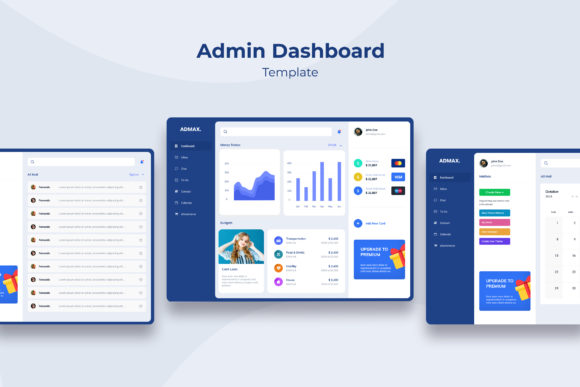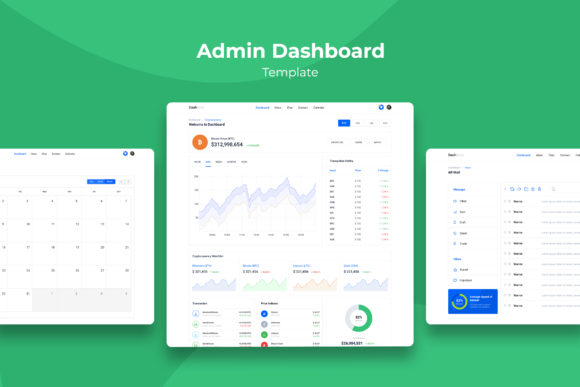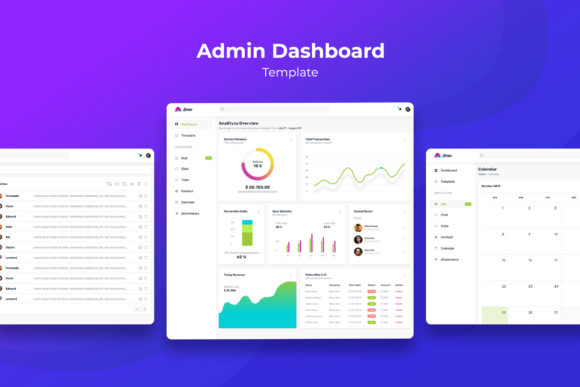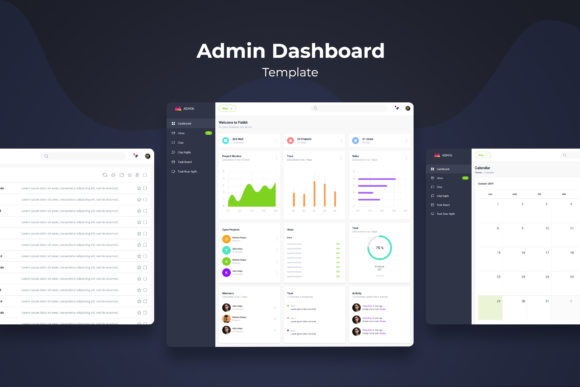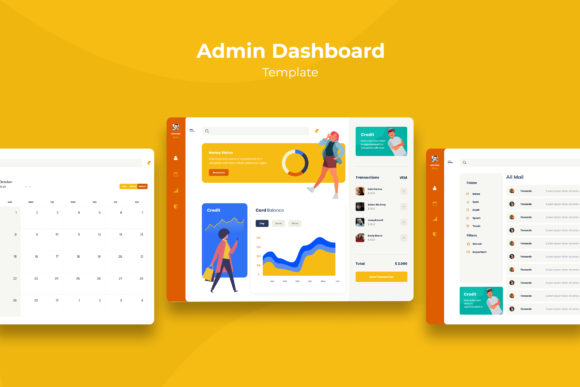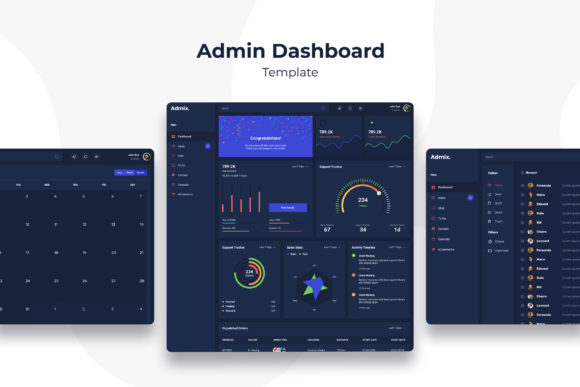
Admin Dashboard E-Commerce Transaction: A Powerful Tool for Streamlined Business Operations
In the fast-paced world of e-commerce, having a clear and efficient way to monitor transactions is essential. The Admin Dashboard E-Commerce Transaction serves as a central hub for managing and analyzing sales, orders, and customer interactions. This tool is particularly valuable for businesses that rely on digital platforms to conduct their operations, offering a structured approach to tracking performance and making informed decisions.
Understanding the Role of an Admin Dashboard in E-Commerce
An admin dashboard is more than just a visual interface; it's a critical component of any e-commerce system. It allows administrators to oversee various aspects of their business, from inventory management to user activity. The Admin Dashboard E-Commerce Transaction specifically focuses on transaction data, providing real-time insights into sales trends, customer behavior, and financial metrics.
This dashboard fits into the broader process of running an online business by acting as a bridge between backend systems and front-end user experiences. Whether you're managing a small online store or a large-scale e-commerce platform, the ability to access and interpret transaction data quickly can significantly impact your operational efficiency.
Using the Admin Dashboard Before, During, and After Projects
The Admin Dashboard E-Commerce Transaction can be utilized at multiple stages of a project or business initiative. Before launching a new product or campaign, this dashboard helps in planning by analyzing past transaction data to forecast potential outcomes. It allows you to set realistic goals and allocate resources effectively.
During the execution phase, the dashboard provides real-time updates on sales and customer engagement. This enables quick adjustments to strategies based on current performance. For instance, if a particular product is not selling well, you can modify marketing tactics or adjust pricing without delay.
After a project or campaign concludes, the dashboard aids in evaluating success. By reviewing transaction data, you can identify what worked and what didn't, helping to refine future efforts. This post-mortem analysis is crucial for continuous improvement and long-term growth.
Integration with Other Tools and Platforms
The Admin Dashboard E-Commerce Transaction is designed to work seamlessly with other tools and platforms commonly used in e-commerce. It can integrate with CRM systems, payment gateways, and analytics tools to provide a comprehensive view of business operations. This integration ensures that all relevant data is centralized, reducing the need to switch between multiple applications.
For example, when paired with a CRM, the dashboard can track customer interactions alongside transaction history, offering deeper insights into customer preferences and behaviors. Similarly, integrating with analytics tools allows for more detailed reporting and forecasting, enhancing decision-making capabilities.
Practical Implementation Tips
When implementing the Admin Dashboard E-Commerce Transaction, it's important to start with a clear understanding of your business needs. Identify the key metrics you want to track, such as total sales, average order value, or customer retention rates. This will help in customizing the dashboard to meet your specific requirements.
Another tip is to ensure that the dashboard is user-friendly. While the design may be professional and visually appealing, it should also be intuitive for users. Consider the roles of different team members and tailor the dashboard to their responsibilities. For instance, a manager might need a high-level overview, while a customer support representative may require detailed transaction logs.
Regularly updating the dashboard with the latest data is also crucial. Set up automated data syncs to ensure that the information displayed is always current. This reduces the risk of making decisions based on outdated or inaccurate data.
Workflow Examples and Observations
Consider a scenario where a small business owner uses the Admin Dashboard E-Commerce Transaction to manage their online store. They can monitor daily sales, track inventory levels, and respond to customer inquiries directly from the dashboard. This streamlined approach saves time and improves customer satisfaction.
Another example involves a marketing team using the dashboard to evaluate the effectiveness of a recent advertising campaign. By analyzing transaction data before and after the campaign, they can determine its ROI and make data-driven adjustments for future initiatives.
Observing how the dashboard interacts with other tools can also reveal opportunities for optimization. For instance, if the dashboard is integrated with a social media platform, it can track how social media traffic translates into sales. This insight can guide content strategies and improve overall marketing performance.
Factors to Consider for Long-Term Use
When considering the long-term use of the Admin Dashboard E-Commerce Transaction, several factors should be taken into account. Preparation is key—ensure that your team is trained on how to use the dashboard effectively. This includes understanding the different features and knowing how to interpret the data presented.
Compatibility with existing systems is another important factor. The dashboard should be able to work with your current software and infrastructure without causing disruptions. If necessary, consider upgrading or modifying other tools to ensure seamless integration.
Usability and accessibility are also critical. The dashboard should be easy to navigate, with clear labels and intuitive controls. It should be accessible to all relevant team members, regardless of their technical expertise.
Consistency in data entry and reporting is essential for maintaining the reliability of the dashboard. Establish standard procedures for inputting and updating data to avoid discrepancies. Regular audits can help identify and correct any issues promptly.
Finally, consider the scalability of the dashboard. As your business grows, the dashboard should be able to handle increased data volume and more complex reporting needs. Choose a solution that offers flexibility and can adapt to your evolving requirements.
Conclusion: Enhancing Business Efficiency with the Admin Dashboard E-Commerce Transaction
The Admin Dashboard E-Commerce Transaction is a powerful tool that can significantly enhance the efficiency and effectiveness of e-commerce operations. By providing a centralized view of transaction data, it enables better decision-making, improved customer service, and more accurate forecasting.
Whether you're starting a new business or looking to optimize an existing one, integrating this dashboard into your workflow can lead to tangible benefits. With proper implementation and ongoing maintenance, it can become an indispensable part of your digital strategy, supporting your goals and driving sustainable growth.