Seamless Pattern of Circle
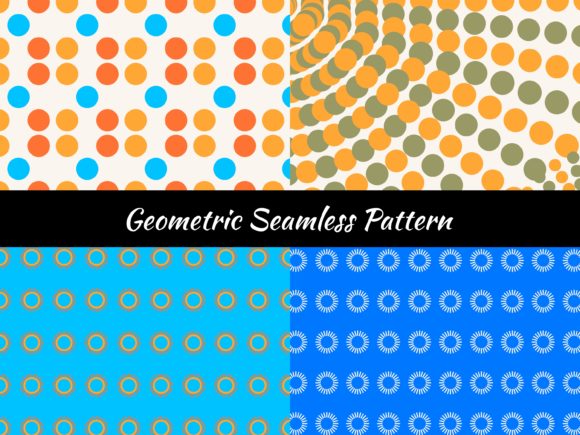
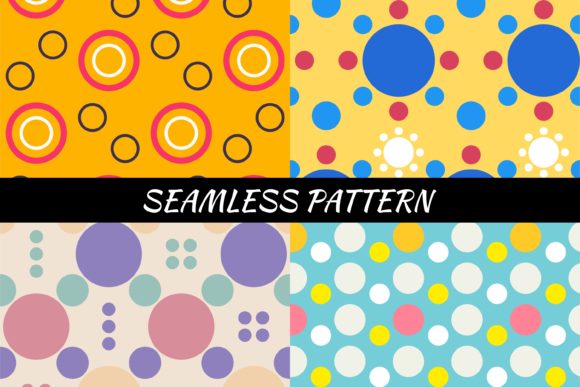
The Seamless Pattern of Circle is a versatile design resource that offers a continuous, repeating visual structure composed entirely of circular elements. This collection of simple geometric seamless patterns is ideal for a wide range of applications, from digital backgrounds to physical materials like fabric, paper, and packaging. Its clean, structured form makes it an essential tool for designers, marketers, and creators looking to maintain visual consistency across multiple platforms and projects.
Understanding how to integrate this pattern into your workflow can significantly enhance efficiency and aesthetic coherence. Whether you're working on a website, product packaging, or textile design, the Seamless Pattern of Circle provides a reliable foundation that aligns with both functional and artistic goals.
How Seamless Pattern of Circle Fits Into Design Workflows
Before starting any project, it's important to consider the visual language you want to convey. The Seamless Pattern of Circle can be used as a foundational element in the early stages of design planning. For instance, when developing a brand identity or a digital interface, incorporating this pattern can help establish a cohesive look and feel that resonates with your target audience.
During the execution phase, the pattern serves as a flexible asset that can be adapted to different formats. Its EPS format ensures scalability and editability, making it easy to modify for specific use cases. Meanwhile, the JPG version is suitable for quick previews or direct application in non-editable environments. This dual-format approach supports both creative exploration and practical implementation.
After completing a project, the Seamless Pattern of Circle can still play a role in quality control and consistency checks. By reviewing how the pattern integrates with other design elements, you can ensure that all components align visually and functionally. This step is especially valuable in large-scale projects where maintaining uniformity is critical.
Practical Use Cases Across Industries
The versatility of the Seamless Pattern of Circle makes it applicable in various industries. In web design, it can serve as a background for landing pages, dashboards, or mobile interfaces. Its simplicity allows it to complement other visual elements without overwhelming the user experience. For example, a minimalist e-commerce site might use the pattern as a subtle backdrop to draw attention to key content areas.
In the textile and fashion industry, the pattern can be used for fabric prints, embroidery designs, or decorative elements on garments. Its geometric nature lends itself well to both modern and traditional styles, offering flexibility in design direction. When creating a line of home decor items, such as cushions or wall art, the pattern can add a touch of sophistication and order to the overall collection.
For packaging and branding, the Seamless Pattern of Circle can be applied to labels, boxes, or promotional materials. It provides a professional and polished appearance that reinforces brand identity. In food and cosmetics branding, the pattern can be used to create eye-catching visuals that stand out on shelves while maintaining a sense of cleanliness and organization.
Integration With Other Tools and Resources
The Seamless Pattern of Circle works well with other design tools and resources. When using graphic design software like Adobe Illustrator or Photoshop, the EPS format allows for precise adjustments and layer management. This compatibility ensures that the pattern can be seamlessly integrated into larger design systems or templates.
When collaborating with teams, sharing the pattern in both EPS and JPG formats facilitates communication and feedback. Team members can view the pattern in its final form while also having access to the editable version for modifications. This dual-access approach streamlines the review process and reduces the need for repeated file exchanges.
Additionally, the pattern can be paired with other design assets, such as typography, icons, or color schemes, to create a unified visual hierarchy. By aligning these elements with the circular pattern, you can achieve a balanced and harmonious design that enhances readability and user engagement.
Implementation Tips for Maximum Efficiency
To get the most out of the Seamless Pattern of Circle, start by identifying the specific needs of your project. Consider the scale, medium, and context in which the pattern will be used. For example, if you're designing a website, test the pattern at different screen sizes to ensure it remains visually appealing and functional across devices.
When preparing the pattern for use, make sure to adjust its size and spacing to fit your design requirements. This may involve tweaking the repetition rate or modifying the shape of the circles to better suit the layout. Using vector editing tools can help you make these changes efficiently without compromising the quality of the pattern.
Organizing your design assets is another important step. Keep the Seamless Pattern of Circle in a dedicated folder alongside other related files, such as color swatches or typography samples. This practice not only improves workflow efficiency but also helps prevent confusion during the design process.
Long-Term Use and Consistency
Over time, maintaining consistency becomes increasingly important, especially in ongoing projects or brand initiatives. The Seamless Pattern of Circle can serve as a recurring element that reinforces brand recognition and visual continuity. By using the same pattern across different platforms and materials, you create a sense of familiarity that resonates with your audience.
Regularly reviewing and updating your design assets ensures that the pattern remains relevant and effective. As trends evolve, you may choose to refine the pattern or explore new variations that align with current design standards. This adaptability allows the pattern to remain a valuable tool in your creative arsenal.
Ultimately, the Seamless Pattern of Circle is more than just a design element—it's a strategic asset that supports efficiency, creativity, and consistency in a wide range of applications. By understanding its potential and integrating it thoughtfully into your workflow, you can unlock new possibilities for your projects and designs.