New Wintery Decoration Patterns: A Strategic Approach to Winter Design
In the world of design, seasonal themes offer a unique opportunity to connect with audiences on an emotional level. New Wintery Decoration Patterns are more than just aesthetic choices—they are strategic tools that can enhance branding, communication, and customer engagement during the snowy season. Whether you're designing invitations, greeting cards, or digital content, understanding how to leverage these patterns effectively can make a significant difference in your creative outcomes.
Understanding New Wintery Decoration Patterns
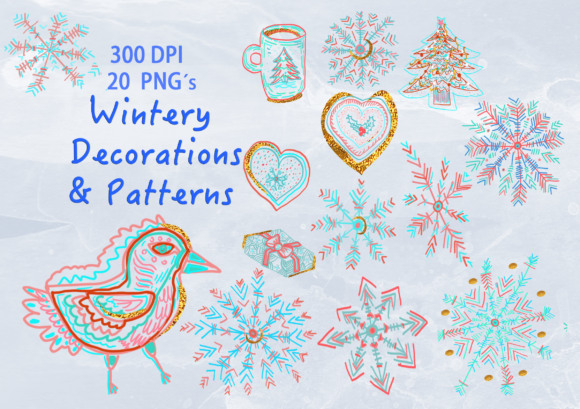
New Wintery Decoration Patterns refer to a collection of visual elements that evoke the essence of winter. These include snowflakes, snowmen, frosty landscapes, and other symbols associated with cold weather. Each pattern is designed to capture the magic of the season while maintaining a level of sophistication that appeals to a broad audience.
What makes these patterns particularly useful is their versatility. They can be adapted for various mediums, from print to web design, and they offer a consistent theme that aligns with the mood of the season. For designers, marketers, and business owners, this means a powerful tool for creating cohesive campaigns that resonate with customers during the holiday period.
The Strategic Value of Wintery Themes
When used thoughtfully, New Wintery Decoration Patterns can support a wide range of goals. For instance, if you're launching a seasonal product or service, incorporating these patterns into your marketing materials can help create a sense of urgency and relevance. The visual cues of winter—such as snowflakes or snowmen—can subtly reinforce the idea that now is the time to act.
Moreover, these patterns can play a role in brand positioning. By consistently using winter-themed visuals, you can establish a strong seasonal identity that differentiates your brand from competitors. This is especially important for businesses that operate in industries like retail, hospitality, or event planning, where timing and atmosphere are key factors in customer experience.
When to Use New Wintery Decoration Patterns
The best time to use these patterns is during the winter months, typically from late November through February. However, their relevance extends beyond just the calendar. For example, if you're targeting a global audience, you may need to consider regions with different climatic conditions. In such cases, the patterns can still be used to evoke the feeling of winter, even if it's not physically present.
Another consideration is the type of project you're working on. If you're designing for a specific event, such as a holiday party or a winter festival, the patterns should reflect the tone and purpose of the event. For instance, a formal invitation might benefit from more elegant, minimalist designs, while a children's event could incorporate playful, colorful snowman illustrations.
How to Approach Wintery Design with Purpose
Before incorporating New Wintery Decoration Patterns into your work, it's essential to define your objectives. Are you looking to increase engagement, drive sales, or build brand awareness? Each goal will influence how you use the patterns and what elements you prioritize.
For example, if your goal is to boost online traffic, you might focus on creating eye-catching social media graphics that feature snowflakes or snowmen. On the other hand, if you're aiming to improve customer loyalty, you could use the patterns to create personalized greeting cards or holiday promotions that feel more meaningful to your audience.
It's also important to consider the context in which the patterns will be used. A pattern that works well on a website may not translate effectively to a printed flyer. Ensuring that the design remains consistent across different platforms is crucial for maintaining a professional appearance and reinforcing your brand message.
Practical Examples of Wintery Design in Action
Let's look at a few real-world applications of New Wintery Decoration Patterns:
- Invitations: A wedding planner might use snowflake motifs to create a whimsical, wintery theme for a December wedding. The patterns can be incorporated into the design of the invitation, envelope, and RSVP card, creating a cohesive and memorable experience for guests.
- Greeting Cards: A small business owner could design holiday cards featuring snowmen and snowflakes to send to clients and partners. These cards not only serve as a reminder of the relationship but also reinforce the brand's seasonal identity.
- Print and Web Design: An e-commerce site selling winter apparel might use a wintery pattern as a background for its homepage. This creates a visually appealing environment that aligns with the products being sold and enhances the overall user experience.
Key Considerations Before Relying on Wintery Designs
While New Wintery Decoration Patterns can be highly effective, they are not a one-size-fits-all solution. Before implementing them, consider the following factors:
- Target Audience: Not all audiences may respond positively to wintery themes. For example, a tech startup targeting a younger demographic might find that overly seasonal designs feel outdated or irrelevant.
- Cultural Sensitivity: Some cultures may have different associations with winter. It's important to research and understand how your target audience perceives these themes to avoid unintended messages.
- Brand Consistency: Ensure that the wintery patterns align with your overall brand identity. If your brand has a modern, minimalist style, a heavily ornamented snowflake design might clash with your existing visual language.
Strategic Observations and Decision-Making Guidance
One of the most valuable aspects of New Wintery Decoration Patterns is their ability to inspire creativity. By experimenting with different compositions, you can discover new ways to express your brand's personality and values. For example, combining snowflakes with abstract shapes might result in a unique pattern that stands out in a crowded market.
However, it's important to approach these designs with intention. Randomly applying wintery elements without a clear purpose can lead to confusion or dilution of your message. Instead, focus on how each element contributes to your overall strategy. Ask yourself: Does this pattern help me communicate my message more effectively? Does it enhance the user experience?
Additionally, consider the long-term value of these patterns. While they may be most relevant during the winter months, some designs can be repurposed for future campaigns. For instance, a snowman illustration used in a holiday promotion could later be adapted for a children's event or a charity fundraiser.
Risks of Using Wintery Patterns Without Clear Goals
Without a clear strategy, the use of New Wintery Decoration Patterns can lead to several pitfalls. One common issue is overuse. If every piece of content features the same snowflake motif, it can become repetitive and lose its impact. Similarly, if the patterns are not aligned with your brand's voice, they may come across as forced or inauthentic.
Another risk is misalignment with your audience's expectations. If your target demographic associates winter with specific emotions or experiences, failing to reflect those in your design can reduce the effectiveness of your message. For example, a luxury brand might want to avoid overly playful snowman illustrations if they aim to maintain a sophisticated image.
Conclusion: Intentional Use of Wintery Design Elements
New Wintery Decoration Patterns offer a wealth of opportunities for designers, marketers, and business owners who want to create engaging, seasonally relevant content. However, their success depends on how intentionally they are used. By aligning these patterns with your goals, audience, and brand identity, you can unlock their full potential and achieve better results in your creative projects.
Whether you're designing for print, web, or social media, the key is to approach wintery themes with a strategic mindset. Focus on clarity, consistency, and relevance, and you'll be well-equipped to make the most of this seasonal design trend.